Follow Me On Social Media!
Homemade Italian Seasoning: Your Best Flavor Boost Ever!

Introduction to Homemade Italian Seasoning
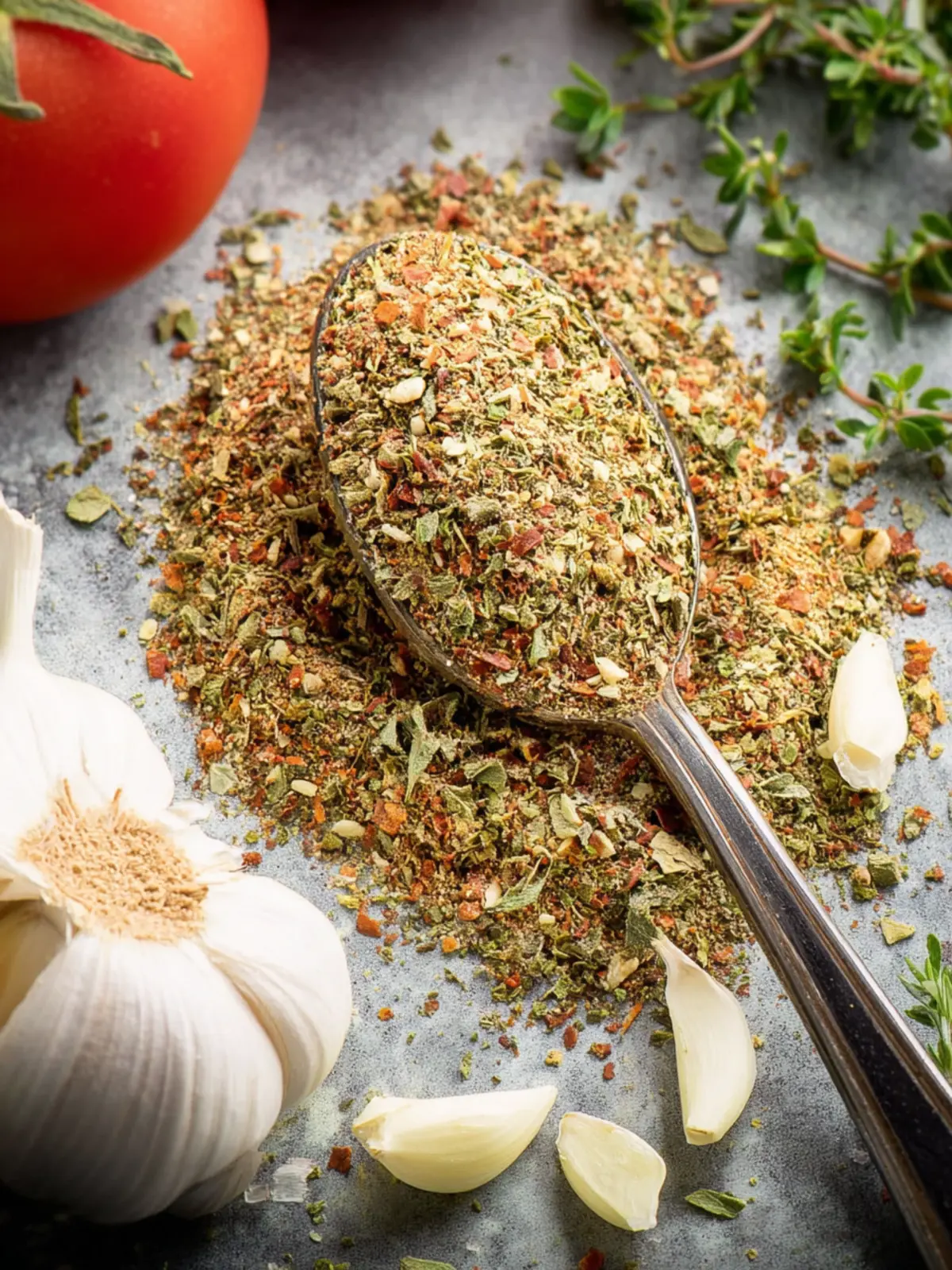
Homemade Italian seasoning is the key to transforming your everyday dishes into flavorful masterpieces. Imagine walking into your kitchen, the warm aroma of herbs enveloping you as you prepare a comforting pasta sauce or a zesty margherita pizza. This beloved blend is a cornerstone of Italian cuisine and can elevate the simplest meals with its vibrant flavors and fragrant notes.
What is homemade Italian seasoning and why is it a staple in your kitchen? At its core, homemade Italian seasoning is a delightful mix of dried herbs that typically includes basil, oregano, thyme, and rosemary, among others. Each herb contributes its unique character to the blend, creating a harmonious flavor profile that speaks to the essence of Italian cooking. Just like a family recipe passed down through generations, making your own Italian seasoning allows you to customize it to match your taste buds.
One of the best things about homemade Italian seasoning is its versatility. You might use it to enhance sauces, soups, marinades, or even roasted vegetables. Just a sprinkle can bring your dish from ordinary to mouth-watering in seconds. The freshness of making it yourself means you’ll avoid the preservatives and artificial flavors often found in store-bought alternatives.
Creating your own seasoning blend can also be an adventure in the kitchen. As you mix the herbs together, you can experiment with the ratios, perhaps adding a touch of crushed red pepper for heat or even a hint of garlic powder for that extra oomph. Not only is it fun, but it helps you develop a more intimate relationship with the flavors that define your cooking style.
Incorporating homemade Italian seasoning into your culinary routine is more than just a cooking tip; it’s an invitation to explore and celebrate the vibrant world of Italian flavors. It’s about connecting with your food, finding inspiration in the process, and discovering how a simple blend of herbs can turn your meals into something special. So, let’s dive into how you can create your own perfect Italian seasoning at home!
Key Ingredients for Homemade Italian Seasoning
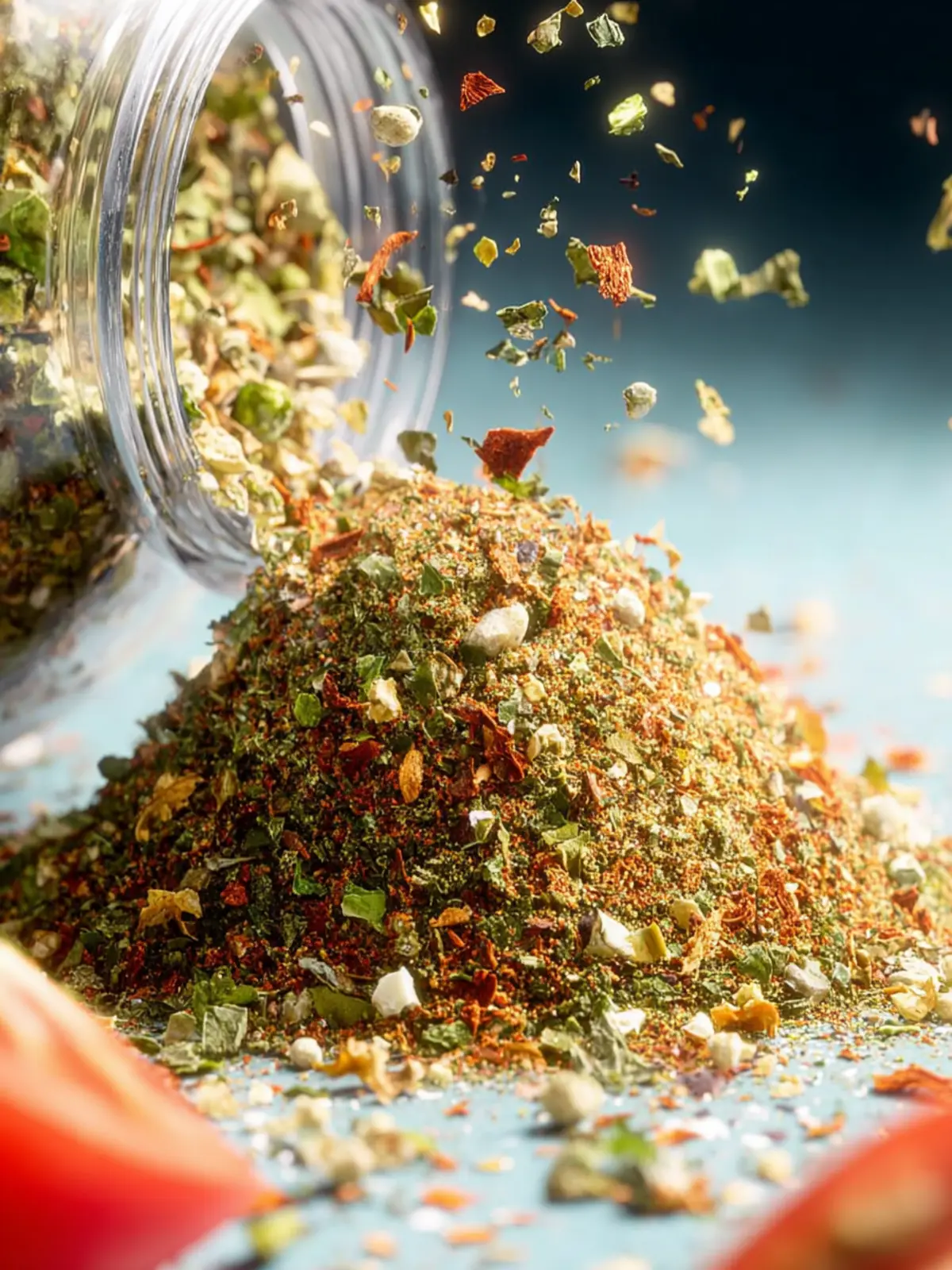
Creating your own homemade Italian seasoning is a joyful journey into the world of flavors that can brighten up any dish. This blend captures the spirit of Italy and allows you to customize the taste to match your own culinary adventures.
Dried Oregano
Oregano is the star of this show. I love using high-quality dried oregano, which brings a savory, slightly peppery kick to the mix. It’s a classic herb that defines Italian cuisine, making it essential for your seasoning blend.
Basil
Sweet basil adds a fragrant, aromatic quality that’s hard to resist. Fresh basil is wonderful, but when dried, it’s just as potent. It enhances the flavor of pasta, pizza, and anything else that needs a taste of Italy.
Thyme
Thyme’s earthy notes complement the brightness of oregano and basil beautifully. It’s a versatile herb that marries well with other ingredients, enriching marinades or soups with its subtle depth.
Garlic Powder
Garlic powder provides a robust kick without the fuss of peeling and chopping fresh garlic. It’s perfect for those busy weeknights when you want a burst of flavor in a pinch.
Onion Powder
This ingredient adds sweetness and enhances umami flavors, making your homemade Italian seasoning richer and more complex. A little goes a long way, bringing a comforting background taste to your dishes.
By mixing these ingredients, you’ll create a personalized Italian seasoning blend that will elevate your cooking and impress friends and family alike!
Why You’ll Love This Recipe
Creating your own homemade Italian seasoning is not just about mixing herbs; it’s an experience that elevates your culinary repertoire. Imagine stepping into your kitchen and being enveloped by the warm, earthy scents of basil, oregano, and thyme—scent memories that whisk you away to a sun-kissed terrace in Italy.
Freshness at Your Fingertips
One of the joys of making your homemade blend is the freshness that no store-bought option can replicate. You’ll appreciate how the vibrant flavors from fresh herbs can transform ordinary dishes into something extraordinary. Each time you sprinkle it over your favorite pasta, pizza, or roasted vegetables, you’ll be reminded of those idyllic meals enjoyed with family and friends.
Versatility in the Kitchen
Whether you’re whipping up a quick weeknight dinner or planning an elaborate feast, this homemade Italian seasoning becomes your secret weapon. It seamlessly enhances everything, from marinades to soups. You’ll find that a few shakes can intensify the flavor profiles of your beloved recipes, providing a restaurant-quality taste right at home.
Cost-Effective and Customizable
Making your own seasoning blend not only saves you money but it also gives you control over the ingredients. Tweak the ratios to suit your palate—do you love extra garlic or a hint of red pepper flakes for a kick? The possibilities are endless, making each batch truly yours.
With your homemade Italian seasoning, every meal becomes a celebration of flavor!
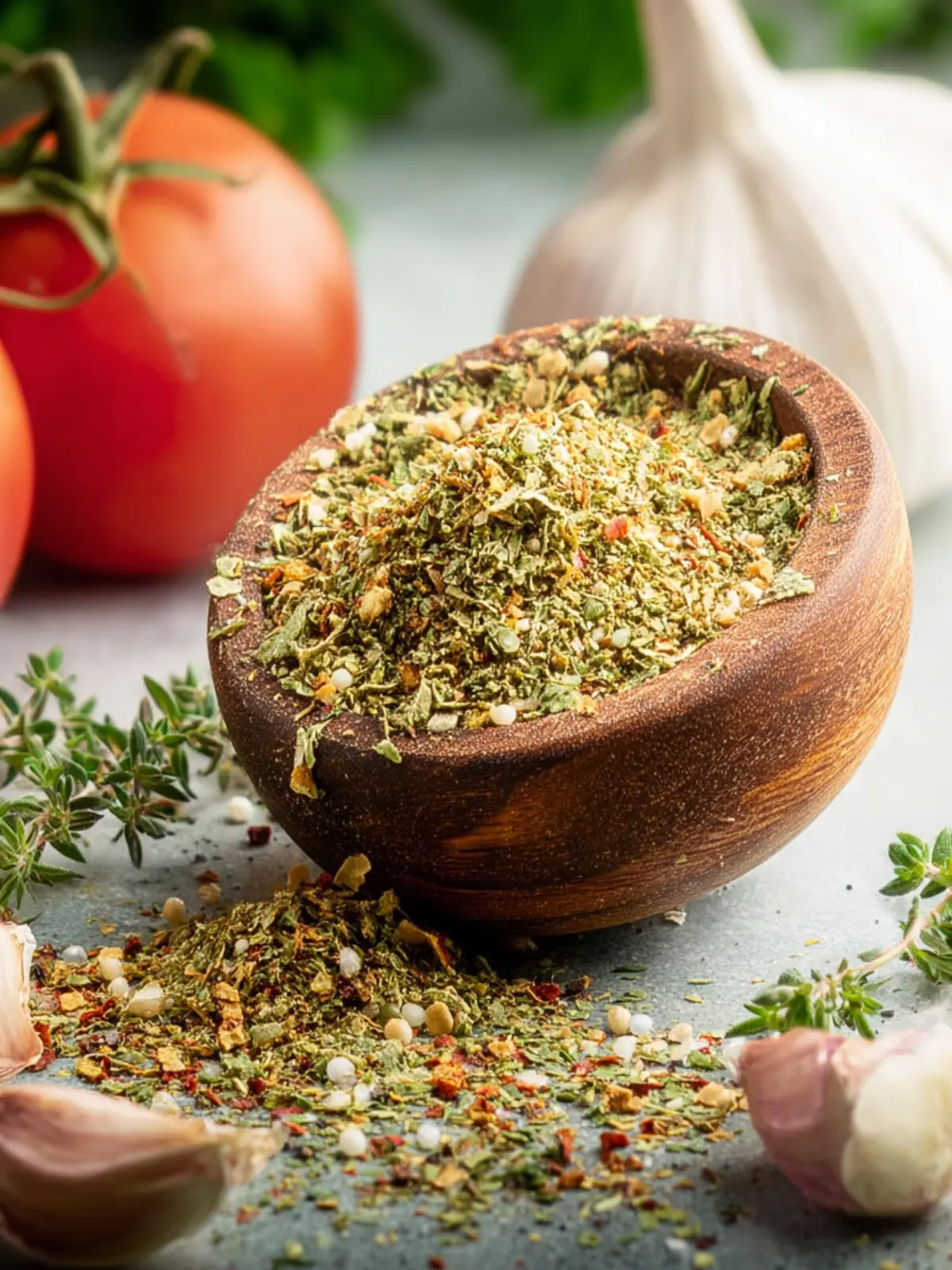
Variations of Italian Seasoning
When you embark on your journey to create homemade Italian seasoning, you’ll soon discover the array of delightful variations that add a personal twist to this classic blend. There’s no one-size-fits-all, as the magic lies in personal taste and regional influences. Here are a few variations to consider:
Traditional Italian Blend
The standard version usually includes:
- Oregano: A staple in Italian cuisine, dried oregano brings a floral, slightly peppery flavor.
- Basil: Sweet basil adds a refreshing, aromatic touch, perfect for pizza or pasta.
- Thyme: This herb adds an earthy flavor that complements sauces beautifully.
- Rosemary: Known for its bold and woodsy aroma, rosemary can elevate roasted vegetables and meats.
Spicy Italian Seasoning
For those who crave a bit of heat, consider adding:
- Crushed Red Pepper Flakes: A pinch or two can transform your blend into something with a kick.
- Cayenne Pepper: Use sparingly to add warmth without overwhelming the other flavors.
Herby Variations
Explore other herbs to customize your seasoning:
- Parsley: This fresh herb brightens dishes and can be included either dried or fresh.
- Sage: Known for its strong flavor, sage can provide depth to heartier dishes.
Experimenting with homemade Italian seasoning allows you to reflect your own culinary personality. Whether sticking to traditional blends or incorporating spices that resonate with your palate, each variation tells a unique flavor story that makes every meal special.
Cooking Tips and Notes for Homemade Italian Seasoning
Creating your own homemade Italian seasoning not only enhances flavors in your dishes but also brings a dash of culinary creativity into your kitchen. Here are a few tips that can elevate your homemade blend to something special.
Fresh vs. Dried Ingredients
When making homemade Italian seasoning, opt for fresh herbs if available. They pack a stronger aroma and flavor. However, if you’re using dried herbs, ensure they are fresh from the store for the best taste. Dried herbs lose potency over time, so check expiration dates.
Balancing Flavors
Every herb has its unique profile. For example, basil and oregano provide warmth, while thyme adds a refreshing touch. Experiment with the ratios to tailor the seasoning to your taste. Don’t hesitate to adjust the amounts based on what you enjoy most—perhaps a bit more rosemary for that classic essence!
Storage Tips
Keep your homemade Italian seasoning in a glass jar with a tight lid to preserve its freshness. Make sure it’s stored in a cool, dark place, away from direct sunlight. This simple step can significantly help maintain the vibrant flavors of your blend for months.
Pairing Suggestions
Consider pairing your seasoning with roasted veggies, pasta, or even grilled meats. Just a sprinkle can elevate simple dishes making them taste gourmet. Who knew seasoning could wield such power in the kitchen?
With these tips in hand, you’re well on your way to crafting the perfect homemade Italian seasoning that adds flair to your culinary adventures!
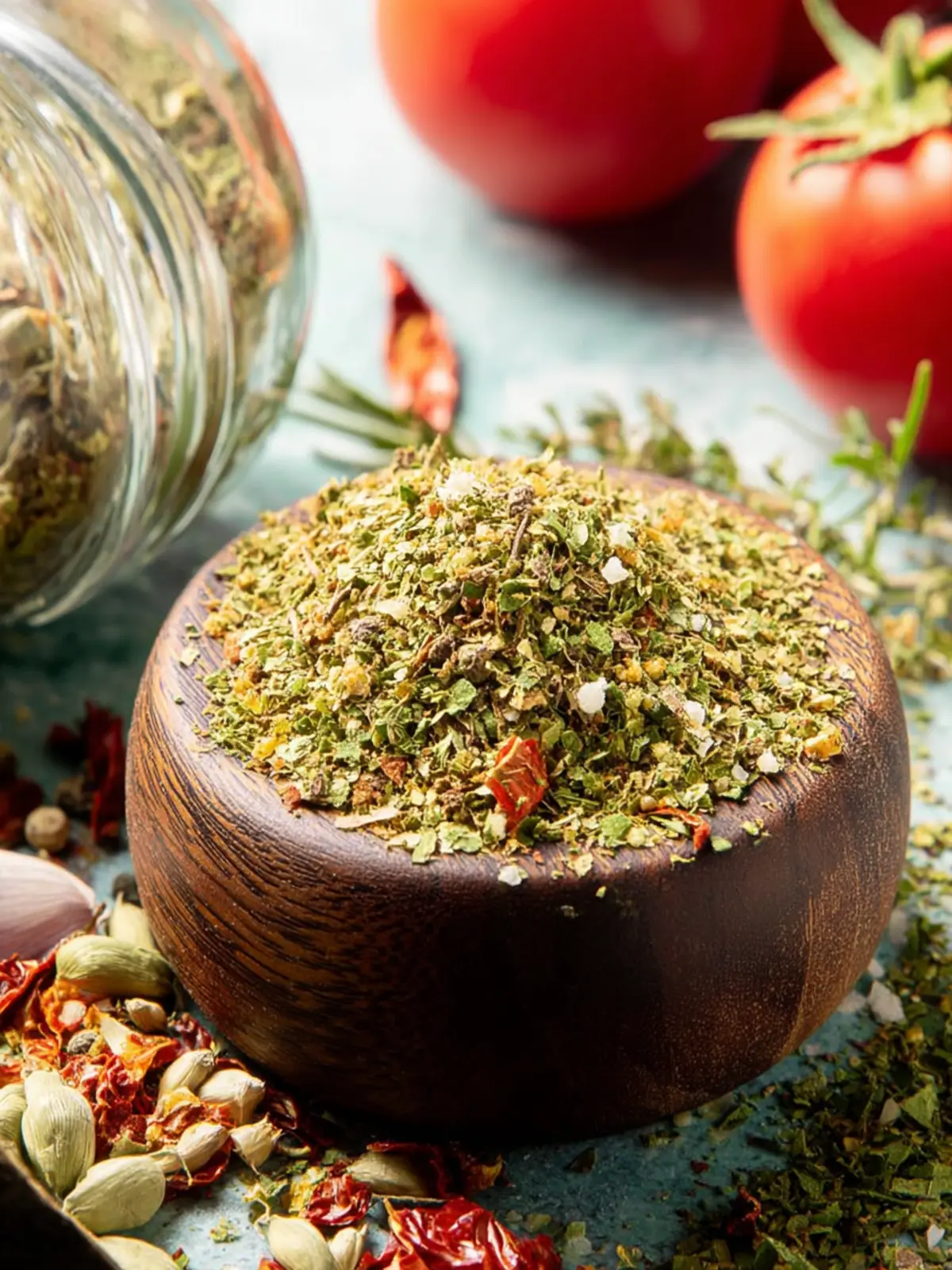
Serving Suggestions for Italian Dishes
Imagine walking into your kitchen and breathing in the delightful aromas wafting from a pot of savory marinara sauce. That’s the magic of homemade Italian seasoning. It’s a flavor-packed blend that can elevate a multitude of Italian dishes, transforming an ordinary meal into something spectacular. Here are some serving suggestions to make the most of your homemade seasoning.
Pairing with Classic Pasta Dishes
-
Spaghetti Aglio e Olio: A simple but stunning dish made from just spaghetti, garlic, and olive oil. Sprinkle generous amounts of homemade Italian seasoning for an aromatic touch.
-
Baked Ziti: As you layer the noodles, ricotta, and marinara sauce, mix in your seasoning to enhance the flavors. Bake until it’s all bubbly and golden.
Perfect for Pizza Night
- Homemade Pizza: Whether you’re making a classic Margherita or a loaded veggie option, mix homemade Italian seasoning into your dough or drizzle it over the toppings for a vibrant kick.
Enriching Risottos
- Mushroom Risotto: Elevate this creamy dish with a dash of your seasoning. It complements the earthy flavors of the mushrooms beautifully while providing that unmistakable Italian flair.
Flavoring Roasted Vegetables
- Toss seasonal vegetables in olive oil, sprinkle with homemade Italian seasoning, and roast until tender. The seasoning brings out the best in flavors, creating an ideal side dish.
Embrace the versatility of your homemade Italian seasoning by experimenting with these exciting serving suggestions, and bring a taste of Italy to your dinner table!
Time Breakdown for Making Italian Seasoning
Creating your own homemade Italian seasoning is a delightful experience that not only elevates your dishes but also connects you with the flavorful essence of Italy. Let’s explore how to time your seasoning prep to ensure a smooth cooking experience.
Preparation time
To start, set aside about 5 minutes for the prep work. This includes gathering your herbs and spices, measuring them out, and getting ready for mixing.
Mixing time
Once your ingredients are ready, the mixing will take just 2 minutes. Combine everything in a bowl and give it a good stir to ensure even distribution.
Total time
In total, you’re looking at 7 minutes to create your own homemade Italian seasoning. It’s a quick and satisfying process that yields a burst of flavor for your favorite Italian dishes!
Nutritional Facts for Homemade Italian Seasoning
Creating your own homemade Italian seasoning not only enhances your meals but also allows you to control the nutritional aspects. Here’s a quick look at the health profile of this versatile blend:
Calories
The total calorie count for a serving of homemade Italian seasoning is approximately 5 calories. This makes it a fantastic, guilt-free way to add robust flavor to your dishes without weighing down your diet.
Fat
Homemade Italian seasoning contains negligible fat, contributing to its status as a heart-healthy choice. When made from dried herbs, you can elevate your meals without any greasy side effects.
Carbohydrates
The carbohydrate content is also minimal, generally around 1 gram per serving. This keeps your macros in check, allowing you to use it liberally on pastas, pizzas, and roasted vegetables without worry.
By knowing these nutritional facts, you can confidently season your creations while keeping your health goals in mind. Enjoy your culinary adventures!
FAQs about Homemade Italian Seasoning
Creating your own homemade Italian seasoning is not just about convenience; it’s a journey into rich flavors and creative cooking. Here are some answers to common questions that can help elevate your culinary adventures with this beloved spice blend.
How long can I store homemade Italian seasoning?
When it comes to homemade Italian seasoning, freshness is key! You can store your blend in a cool, dark place in an airtight container for up to six months. After this time, the flavors may start to fade, so it’s best to make smaller batches if you’re not a frequent cook. Remember, the more vibrant the spice, the tastier your dishes will be!
Can I add more spices to my mix?
Absolutely! One of the best things about homemade Italian seasoning is its versatility. Feel free to customize your blend by adding spices like crushed red pepper for heat or sage for an earthier flavor. If you’re a fan of garlic, consider incorporating garlic powder for a punch of flavor. Just keep in mind that balancing flavors is crucial, so start small and adjust to your taste.
What recipes can I use Italian seasoning in?
Homemade Italian seasoning is incredibly versatile and can enhance a range of dishes. Here are some ideas to inspire you:
- Pasta sauces: Stir it into tomato sauce or cream sauce for extra depth.
- Roasted vegetables: Toss your favorite veggies with this seasoning before roasting.
- Soups: Perfect in minestrone or any hearty soup to add a vibrant herby flavor.
- Meats: Season chicken, pork, or beef before grilling or roasting for a tasty twist.
- Pizza and bread: Sprinkle it on pizza dough or garlic bread for a delightful kick.
With these tips and your homemade Italian seasoning at hand, you’re all set to explore new culinary horizons!
Conclusion on Homemade Italian Seasoning
Creating your own homemade Italian seasoning not only elevates your dishes but also brings the rustic essence of Italy into your kitchen. By blending herbs like basil, oregano, thyme, and rosemary, you infuse your meals with a rich, aromatic flavor that pre-packaged alternatives simply can’t match. Plus, you can adjust the proportions to cater to your personal taste preferences. Whether you’re making a classic marinara sauce, sprinkling it on roasted vegetables, or mixing it into your favorite pasta dish, this seasoning is sure to become a staple in your cooking repertoire. Give it a try, and let your taste buds travel to Italy!
Print
Herb Seasoning Blend
- Total Time: 10 minutes
- Yield: Approximately 1 cup 1x
- Diet: Vegetarian
Description
A flavorful blend of dried herbs perfect for seasoning dishes.
Ingredients
Scale
- 2 Tablespoons dried oregano
- 2 Tablespoons dried basil
- 2 Tablespoons dried parsley
- 1 Tablespoon dried thyme
- 1 Tablespoon dried rosemary
- 1 Tablespoon dried marjoram
- 1 teaspoon dried sage
- 1 teaspoon garlic powder
- 1 teaspoon red pepper flakes
Instructions
- To a lidded container (like a mason jar), add 2 Tablespoons dried oregano, 2 Tablespoons dried basil, 2 Tablespoons dried parsley, 1 Tablespoon dried thyme, 1 Tablespoon dried rosemary, 1 Tablespoon dried marjoram, 1 teaspoon dried sage, 1 teaspoon garlic powder and 1 teaspoon red pepper flakes. Shake or mix until combined.
- Keep stored in a lidded container in an area away from sunlight, heat and moisture for up to a year (best flavor if used within 6 months).
Notes
- Store in a cool, dry place for maximum freshness.
- Adjust ingredients according to taste preferences.
- Prep Time: 10 minutes
- Category: Condiments
- Method: Mixing
- Cuisine: Global
Nutrition
- Serving Size: 1 tablespoon